Chatbot vs. AI agent: what's the difference?
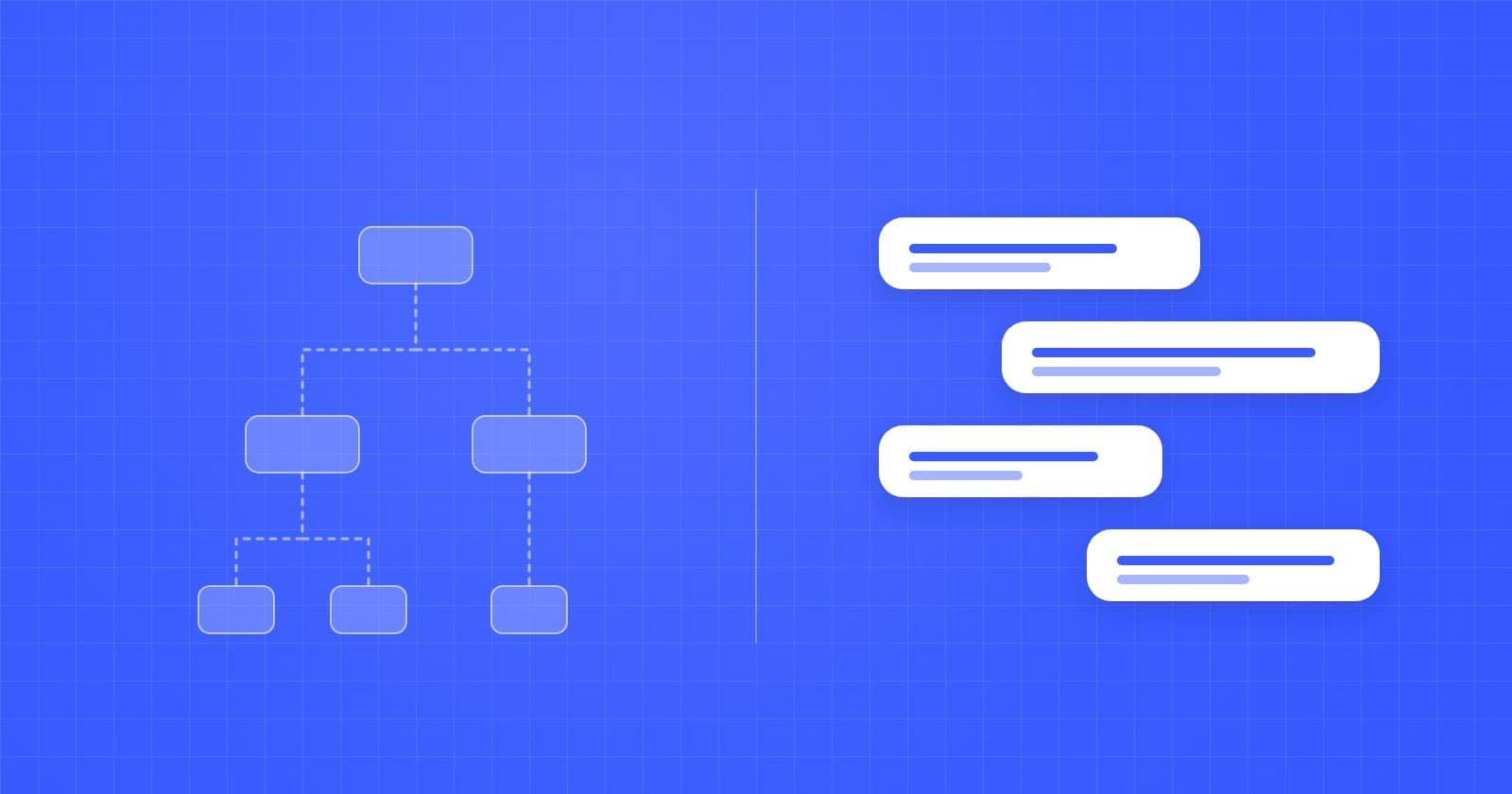
Short answer: a chatbot follows a decision tree: someone maps out every question, button and answer in advance, and the user can only move along those branches. An AI agent has no fixed script: it understands what people say, decides what to answer and what to do, and builds the conversation in real time using your company's information. At ReshapeOS we build AI agents that talk by phone, WhatsApp and web chat.
How a chatbot works
A classic chatbot is a flowchart. "Press 1 for pricing, 2 for schedules." If the user picks an option, the bot moves down that branch; if they type something nobody planned for, the bot doesn't understand and goes back to the menu or replies "Sorry, I didn't get that."
- Every path has to be designed by hand. The more possible questions, the more branches and the more maintenance.
- It can't go off-script. Two questions at once, or the same question phrased differently, breaks it.
- It only answers. At most, it collects details in a form.
How an AI agent works
An AI agent starts from a goal (for example, answering questions and booking a meeting) and the information you give it: your products, prices, schedules and policies. With that, it holds a free-flowing conversation: it understands new questions, asks for what's missing, follows the user when they change topic and steers back to the goal.
- Understands natural language, including typos, abbreviations or several questions in one message.
- Decides the next step based on what's happening, not on a fixed branch.
- Takes action: checks the calendar, books the meeting, updates the CRM or hands the conversation to a person.
- Remembers the context of earlier conversations.
The differences at a glance
| Chatbot | AI agent | |
|---|---|---|
| Conversation | Fixed decision tree | Built in real time |
| Unexpected questions | Doesn't understand them | Answers them with your information |
| Channels | Usually text only | Text and voice |
| Actions | Collects details | Books, updates the CRM, follows up |
| Maintenance | Redesign branches | Update the information |
An example
A lead writes: "Hi, is the master's available online and can I pay in instalments? I work mornings."
- The chatbot shows the menu: "Choose an option: 1. Programmes, 2. Pricing, 3. Contact."
- The AI agent answers both questions, suggests the evening schedule that fits around their job and offers to book a call with admissions.
AI agents at Reshape
At ReshapeOS we build AI agents that answer and reach out to your leads on the channels they already use:
- Phone calls: they call every new lead within seconds and answer inbound calls, with a natural voice. More in what is an AI voice agent.
- WhatsApp: they reply instantly, send information and send meeting reminders. More in AI agents for WhatsApp.
- Web chat: they answer questions from visitors on your website before they leave.
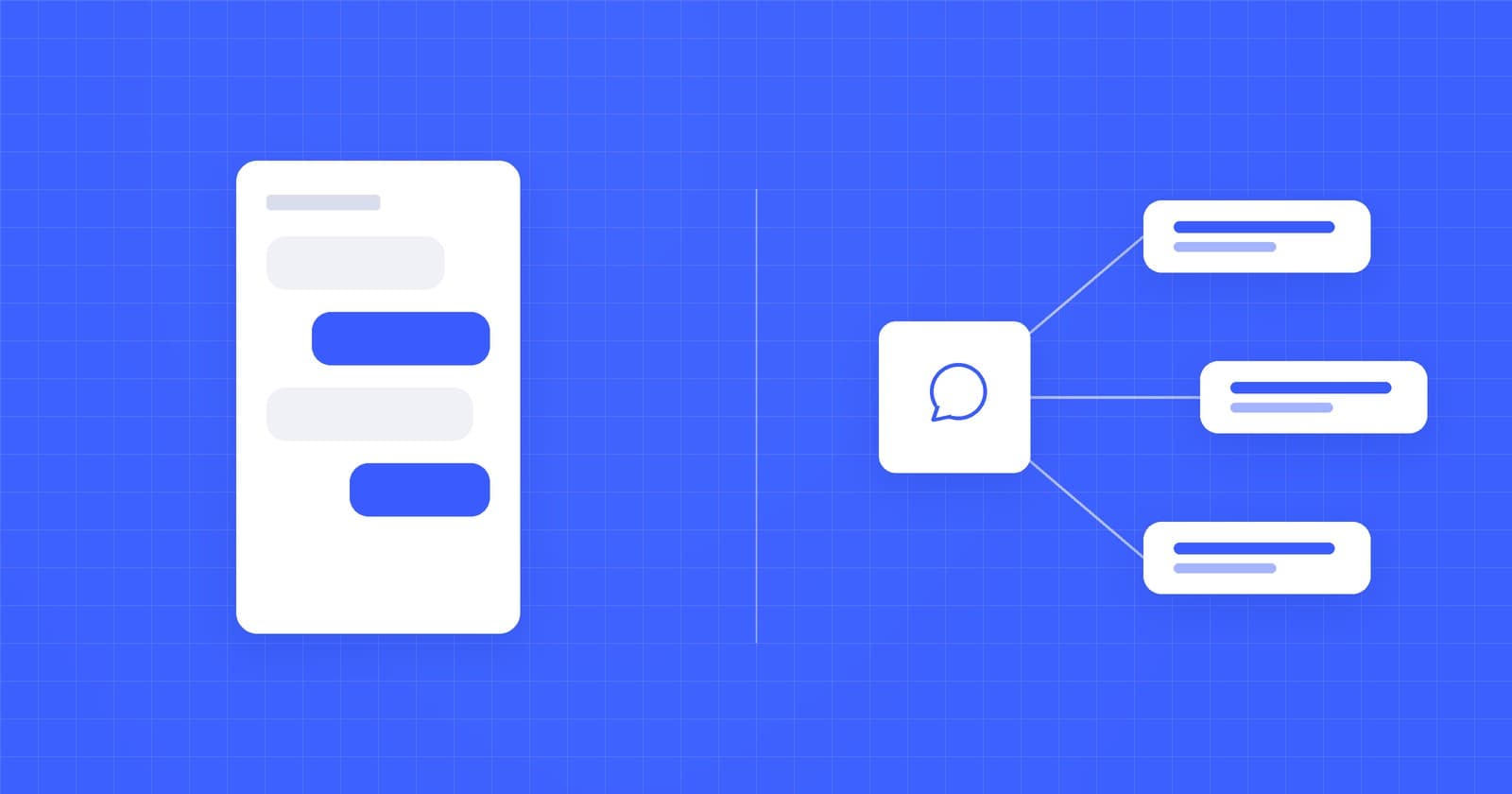
It's the same agent on every channel, so if a lead asks on your website and later gets a call, the conversation picks up where it left off.
FAQ
Can an AI agent make up answers?
A well-configured agent only answers with the information you give it and, if it doesn't know something, says so or hands the conversation to a person.
Does a chatbot still make sense?
For very narrow, simple flows, yes. As soon as users ask in their own words, or you need to book meetings and follow up, an AI agent gets better results.
 Try an agent